Theme: Charting a Sustainable Path for Nigeria’s Livestock Sector
Highlights from Sanuvia’s Multi-Stakeholder Workshop in Abuja
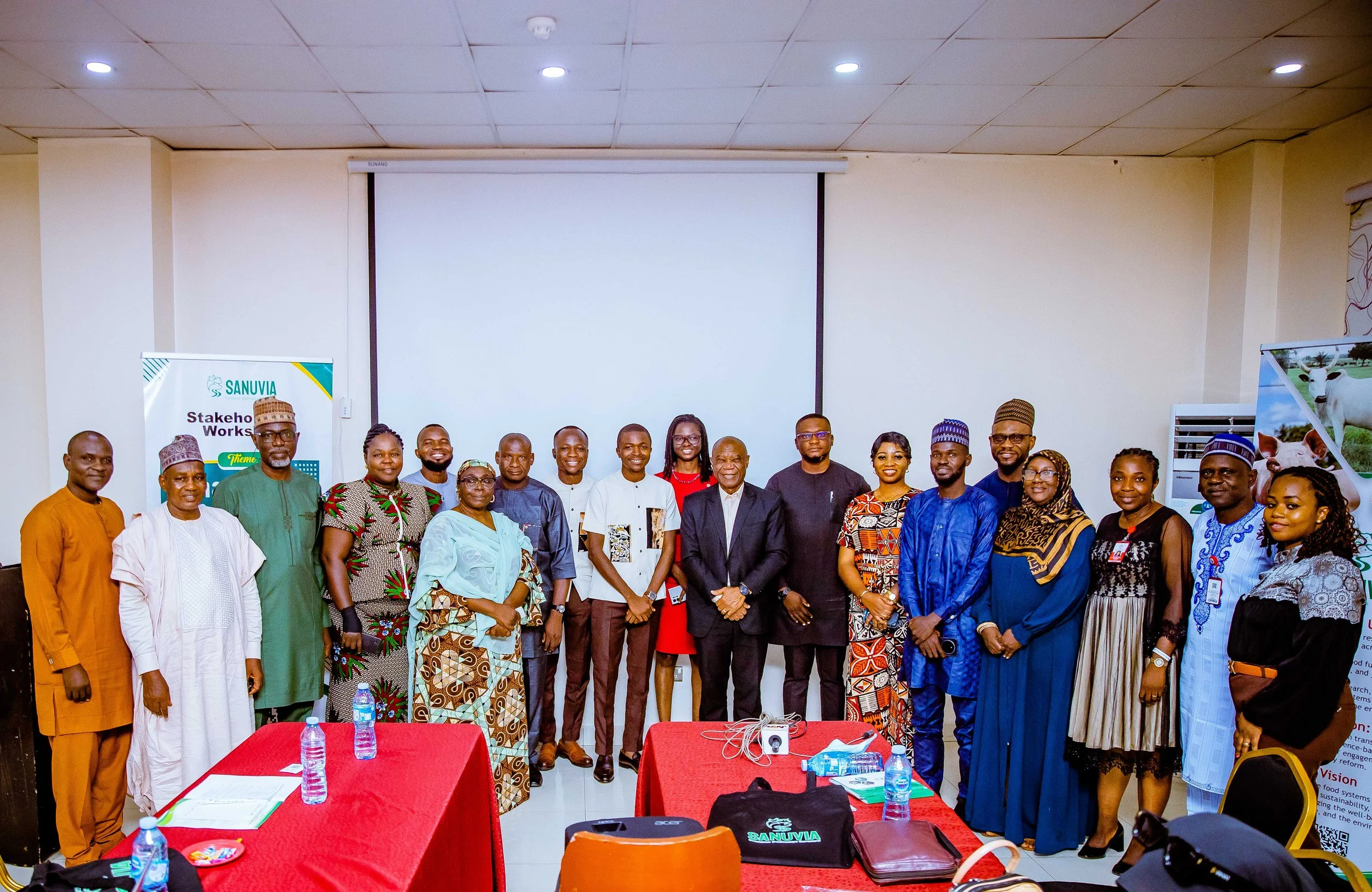
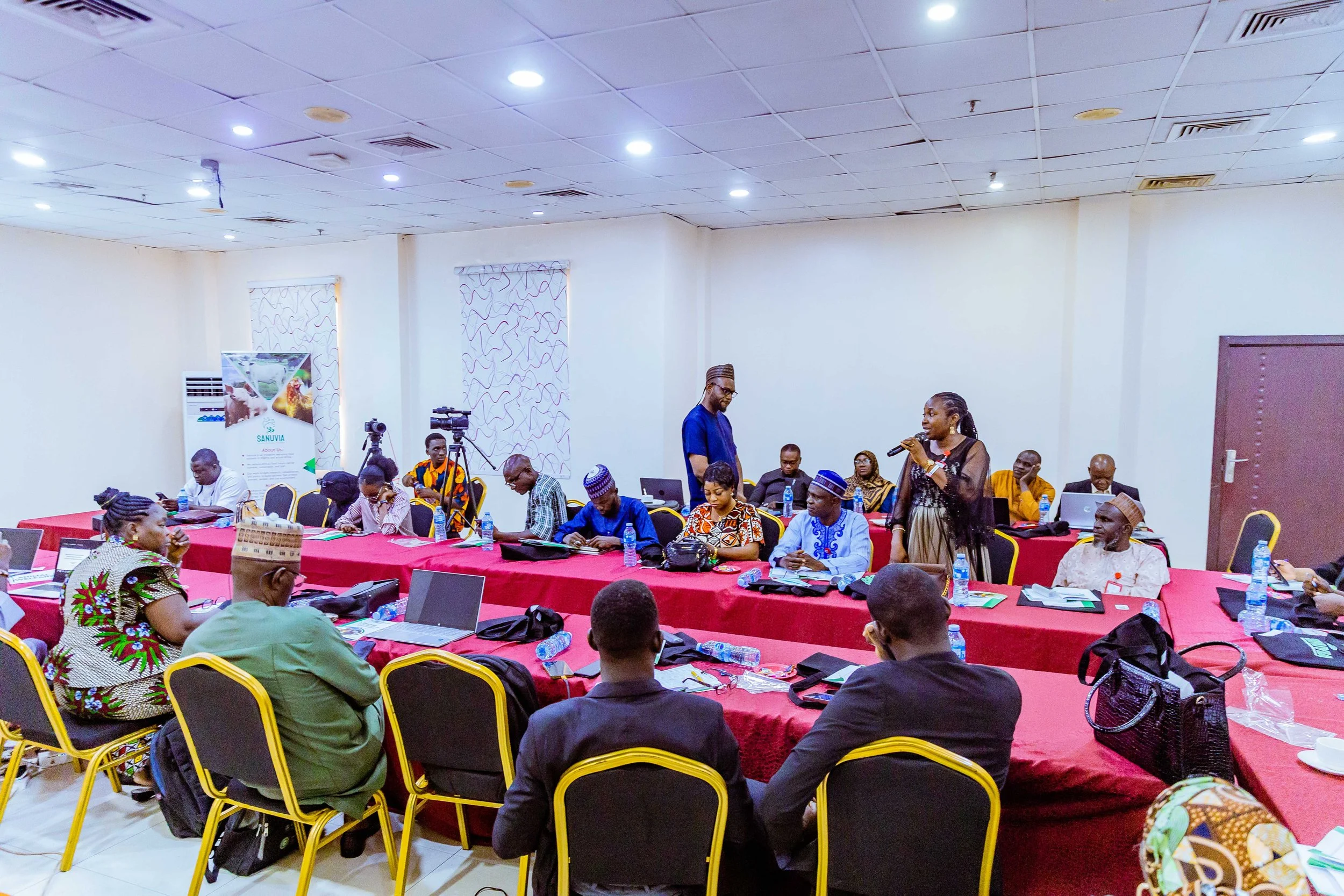
On November 6, 2025, Sanuvia convened a landmark Multi-Stakeholder Workshop at Hawthorn Suites by Wyndham, Abuja, bringing together 35 participants from government agencies, regulatory bodies, farmer associations, private sector actors, and civil society organizations.
Under the theme “Charting a Sustainable Path: Enhancing Nigeria's Livestock Regulations in Response to Industrial Livestock Farming”, the workshop created a much-needed space for dialogue as Nigeria’s livestock sector undergoes rapid industrial transformation.
The goal was clear: to ensure that growth in livestock production does not come at the expense of animal welfare, public health, the environment, or smallholder livelihoods.
Why This Conversation Matters Now?
Nigeria’s livestock sector is changing fast. The establishment of the Federal Ministry of Livestock Development and anticipated large-scale investments, such as a proposed $2.5 billion investment by global meat processor JBS, signal unprecedented expansion.
Livestock already contributes 2–5% of Nigeria’s National GDP, and approximately 17% of the agricultural GDP, supporting millions of livelihoods. Yet, without strong regulatory frameworks, industrial livestock farming poses serious risks, including:
Zoonotic disease outbreaks and antimicrobial resistance
Environmental pollution and greenhouse gas emissions
Poor animal welfare standards
Marginalization of smallholder farmers and pastoral communities
The workshop addressed these challenges head-on, asking a critical question:
How can Nigeria grow its livestock sector responsibly and sustainably?
Setting the Tone: Collaboration and Expertise
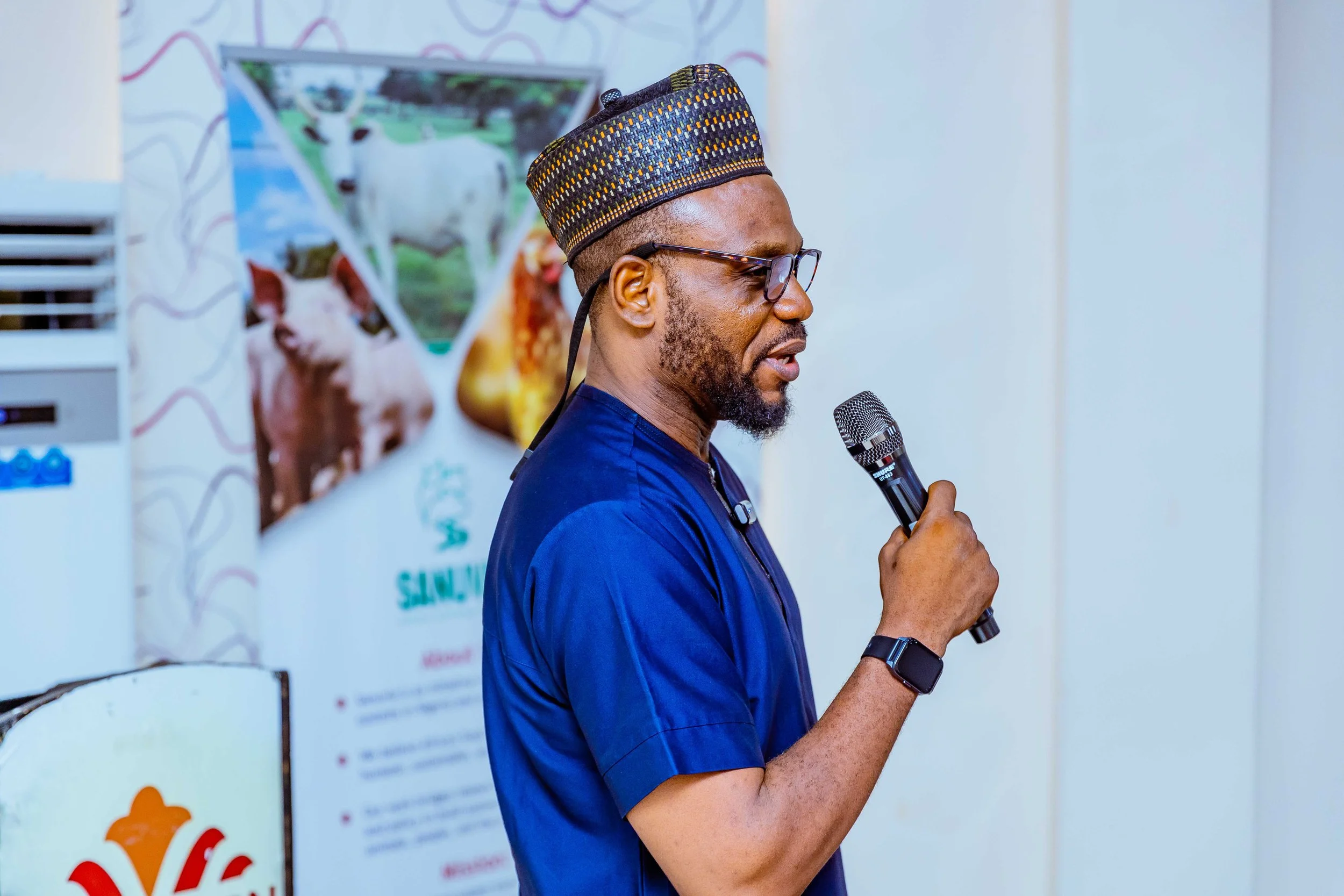
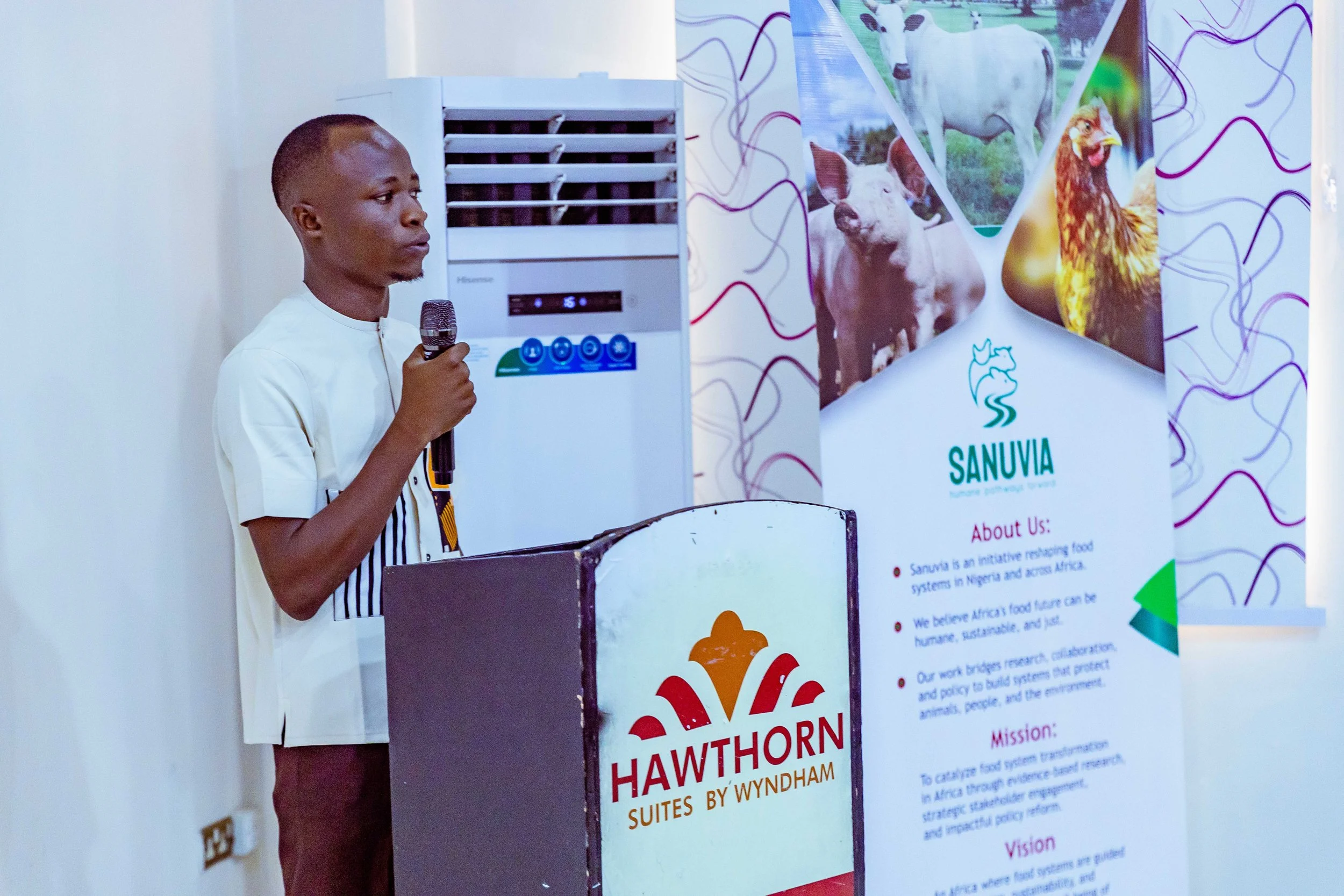
The workshop officially opened at 9:45 a.m. WAT with welcome remarks from Sanuvia Co-Founder, Isaac Fasipe, who outlined the workshop’s objectives and emphasized the importance of inclusive, evidence-based policymaking.
Proceedings were expertly moderated by Dr. Sunday Agbonika, Program Lead at Effective Animal Advocacy Nigeria, whose facilitation ensured balanced participation, focused discussions, and actionable outcomes.
Participants worked through expert presentations, thematic breakout sessions, and a plenary dialogue, allowing diverse perspectives to shape shared solutions.
Workshop Objectives at a Glance
The workshop pursued five core objectives:
Strengthen multi-sector collaboration across government, industry, farmers, and civil society
Identify key risks related to animal welfare, public health, the environment, human rights, and livelihoods
Co-develop regulatory recommendations aligned with global best practices
Raise national awareness through strategic media engagement
Participants and Stakeholder Representation
The workshop brought together 35 participants representing key institutions across Nigeria’s livestock, government, regulatory, private sector, and civil society landscape. Stakeholder groups represented included the Federal Ministry of Livestock Development (FMLD), Veterinary Council of Nigeria (VCN), Nigerian Institute of Animal Science (NIAS), Nigerian Veterinary Medical Association (NVMA), Standards Organisation of Nigeria (SON), and the National Agency for Food and Drug Administration and Control (NAFDAC). Also in attendance were private sector actors such as Livestock247 and Ikore International, alongside farmer and pastoralist representation from the Miyetti Allah Cattle Breeders Association of Nigeria (MACBAN). Civil society and technical organizations present included the One Health and Development Initiative (OHDI), Association of Ruminant Veterinarians in Nigeria (ARUVIN), Effective Animal Advocacy Nigeria, Effective Altruism Nigeria, and Tubali Development Initiative. This diverse participation ensured balanced dialogue and practical recommendations reflecting regulatory, technical, producer, and community perspectives across the livestock sector.
Expert Insights
The workshop featured four expert presentations that provided technical insights into the transformation of Nigeria’s livestock sector, highlighting regulatory gaps, risks, and opportunities across animal welfare, public health, environmental sustainability, and governance.
Presentation 1: Nigeria’s Livestock Sector Transformation: The Rise of Industrial Farming and What’s at Stake- Dr Adah Ogwuche
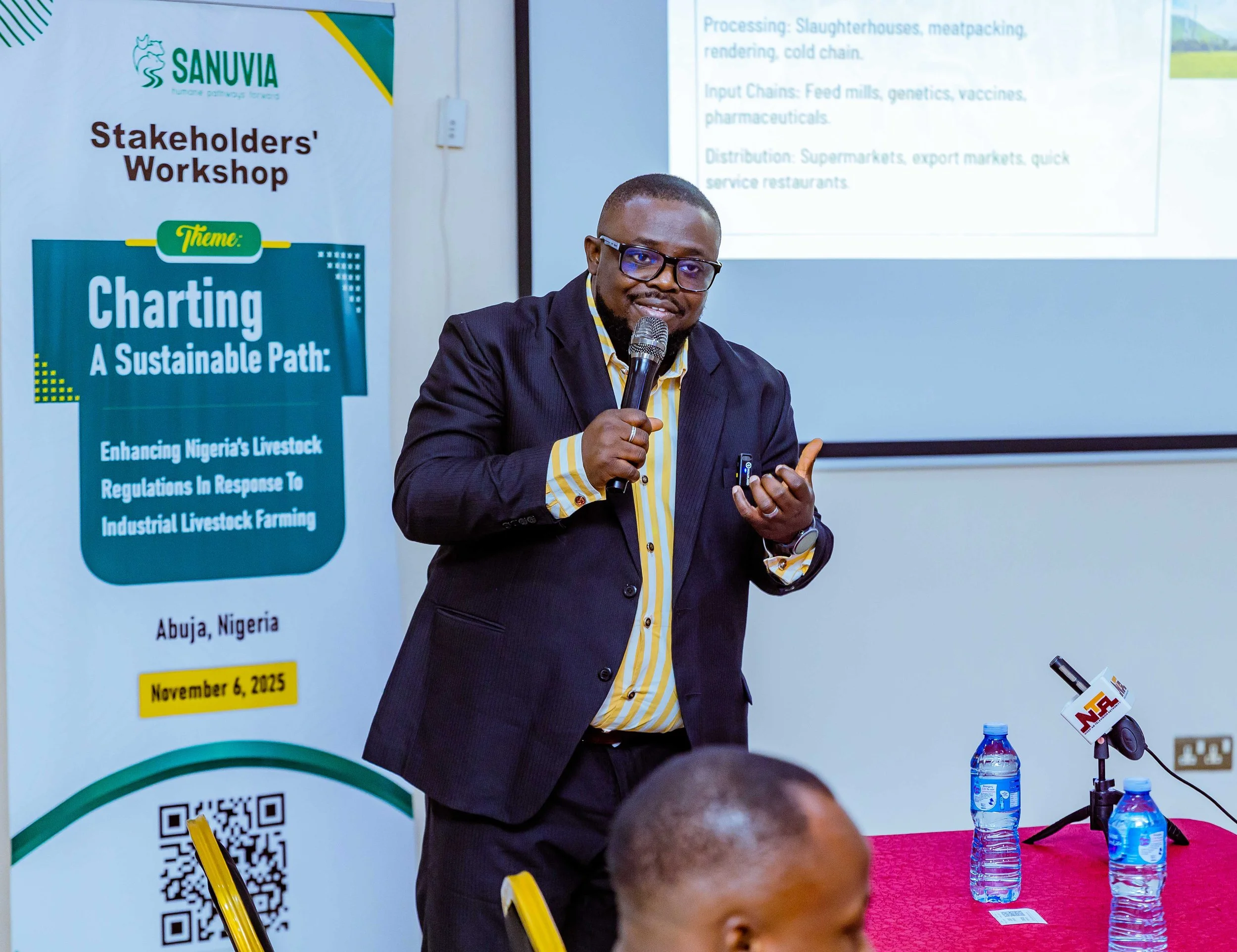
Dr. Adah Ogwuche provided a broad overview of Nigeria’s rapidly evolving livestock sector, noting that livestock contributes approximately 5% of Nigeria’s GDP, with cattle, goats, sheep, and poultry as the dominant subsectors. While over 90% of cattle production remains rooted in traditional extensive systems, he explained that Nigeria is steadily transitioning toward semi-intensive and fully industrial livestock operations, driven by new investments, technology, and growing demand for animal protein.
He described industrial livestock farming as systems involving large-scale confinement and mechanization, often exceeding 1,000 cattle, 10,000 pigs, or 100,000 poultry birds, supported by automated feeding, waste management, and vertically integrated value chains. These systems, while capable of increasing output and efficiency, pose significant risks when introduced without adequate regulation.
Dr. Adah highlighted key concerns, including the displacement of smallholder farmers, consolidation of market power among large operators, deforestation, air and water pollution, methane emissions, and rising antimicrobial resistance. Citing FAO estimates, he noted that industrial livestock production contributes about 14.5% of global greenhouse gas emissions, underscoring the sector’s climate implications.
For Nigeria, the stakes are especially high. Unregulated expansion could lead to environmental degradation, increased zoonotic disease risks, erosion of biodiversity, marginalization of pastoral systems, and missed opportunities for inclusive economic growth. Dr. Adah concluded by stressing that while livestock industrialization may be inevitable, its trajectory must be deliberately shaped through policy: mentioning that “The livestock revolution must not leave our farmers, animals, or planet behind.”
Presentation 2: Protecting Public Health Through Stronger Regulation: A One Health Perspective- Dr. Ayodele O. Majekodunmi
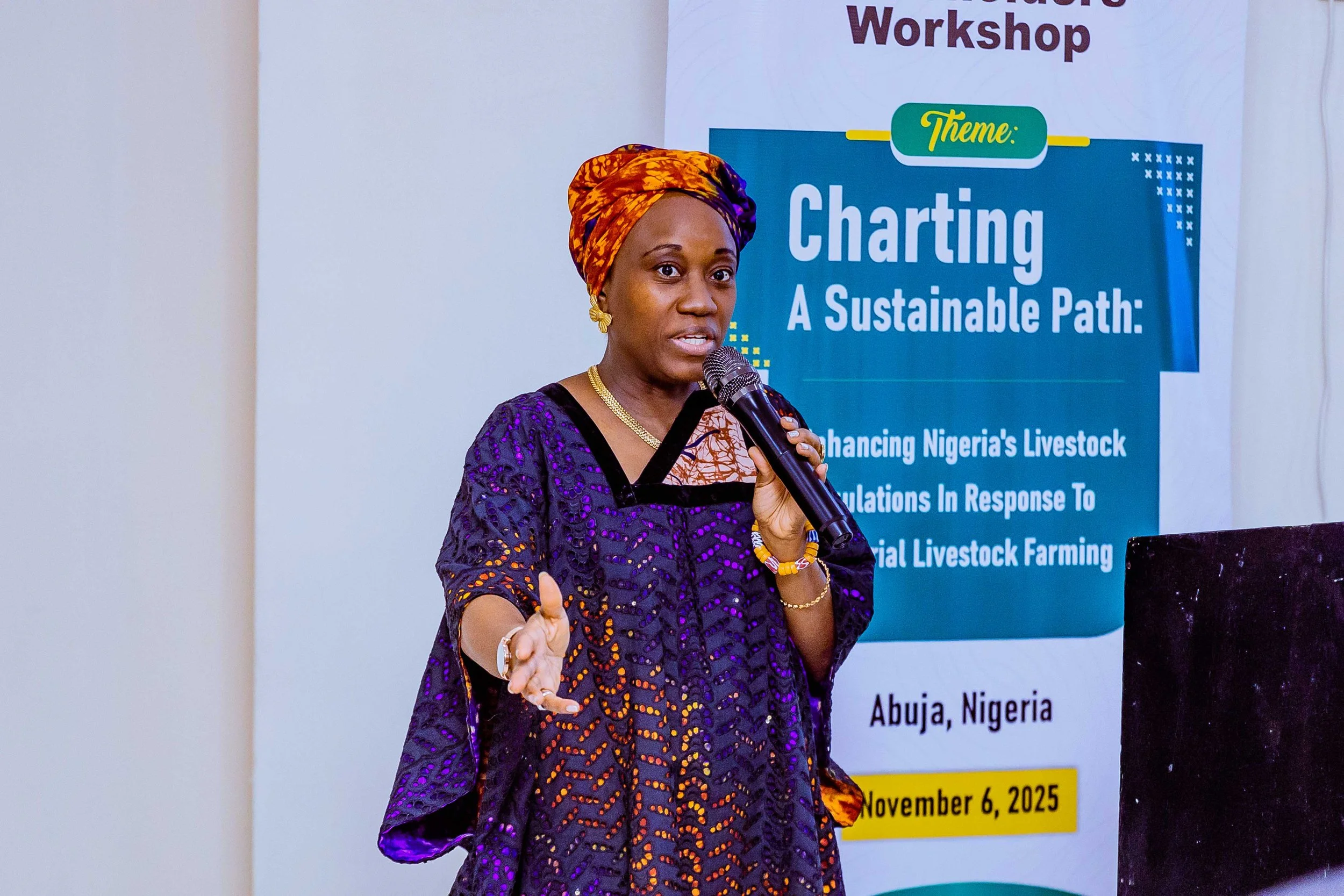
Dr. Ayodele O. Majekodunmi examined livestock regulation from a public health perspective, emphasizing that agriculture is both economically vital and central to human survival. She highlighted population growth and rising protein demand, projecting that by 2050 Nigeria could have as many as 900 million poultry birds, with nearly 60% produced intensively.
Central to her presentation was the One Health framework, which recognizes the deep interconnection between human, animal, and environmental health. She warned that fragmented and siloed regulatory systems weaken food safety controls and disease prevention efforts.
Key risks identified included the routine use of antibiotics for disease prevention, weak disease surveillance, concentrated waste generation, monoculture feed production linked to deforestation, job losses from industry consolidation, and poor coordination between health and agricultural institutions. Dr. Ayodele explained that excessive antimicrobial use can trigger a dangerous feedback loop—fueling antimicrobial resistance, increasing healthcare costs, undermining consumer trust, and causing broader economic and social instability.
While acknowledging that traditional livestock systems face challenges such as low productivity and climate vulnerability, she stressed that industrial systems require strong oversight to avoid becoming public health liabilities. Her core recommendation was the adoption of One Health–aligned regulation built around the “4 Cs”: Communication, Coordination, Collaboration, and Capacity Building across sectors.
Presentation 3: Addressing Animal Welfare Challenges Through Enhanced Regulations- Dr. Kikiope Oluwarore
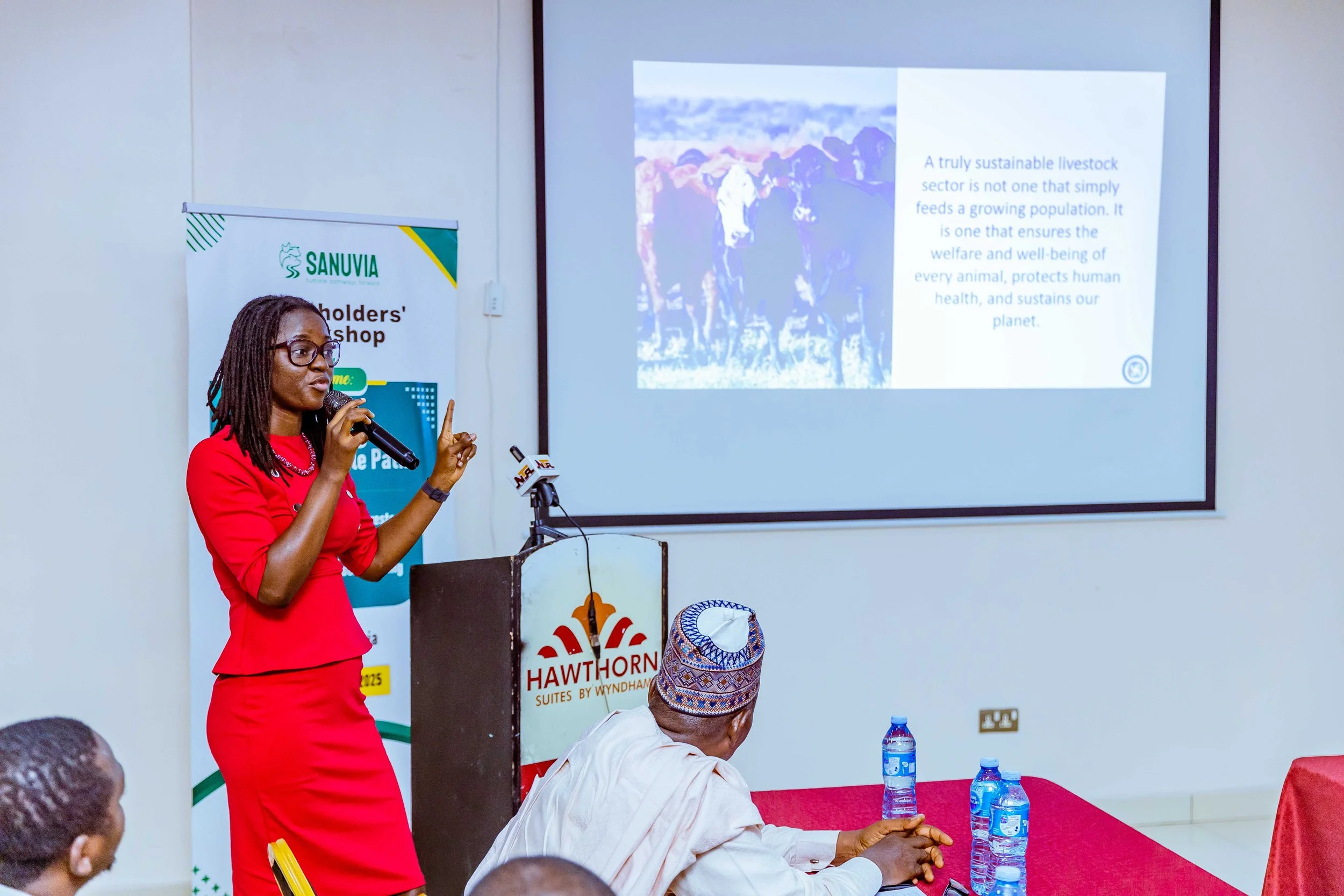
Dr. Kikiope Oluwarore emphasized that animal welfare is foundational to sustainable and productive livestock systems, with direct implications for food quality, farmer livelihoods, and market access, particularly in export-oriented value chains. She explained that animal welfare extends beyond physical health to include animals’ mental and behavioral wellbeing.
She anchored her presentation around the Five Freedoms of Animal Welfare, which include freedom from hunger, discomfort, pain and disease, fear and distress, and the ability to express natural behavior. However, she noted that these principles are frequently compromised in practice due to poor handling and transport, overcrowded housing, inadequate veterinary services, and inhumane slaughter methods.
The consequences of poor animal welfare, she explained, are far-reaching: reduced productivity, increased dependence on pharmaceuticals, higher production costs, degraded environmental conditions from unmanaged waste, and ultimately loss of income and livelihoods for farmers.
Dr. Kikiope stressed that animal welfare is not only an ethical obligation but also a legal and economic necessity. She identified low awareness, policy gaps, weak enforcement, and high veterinary costs as major barriers, and called for stronger regulations, farmer training, awareness campaigns, welfare-compliant certification systems, improved technology adoption, and greater international collaboration.
Presentation 4: Controlling Waste and Pollution: Developing Robust Environmental Regulations for Industrial Livestock Operations- Dr. Sherifat Balogun-Raji
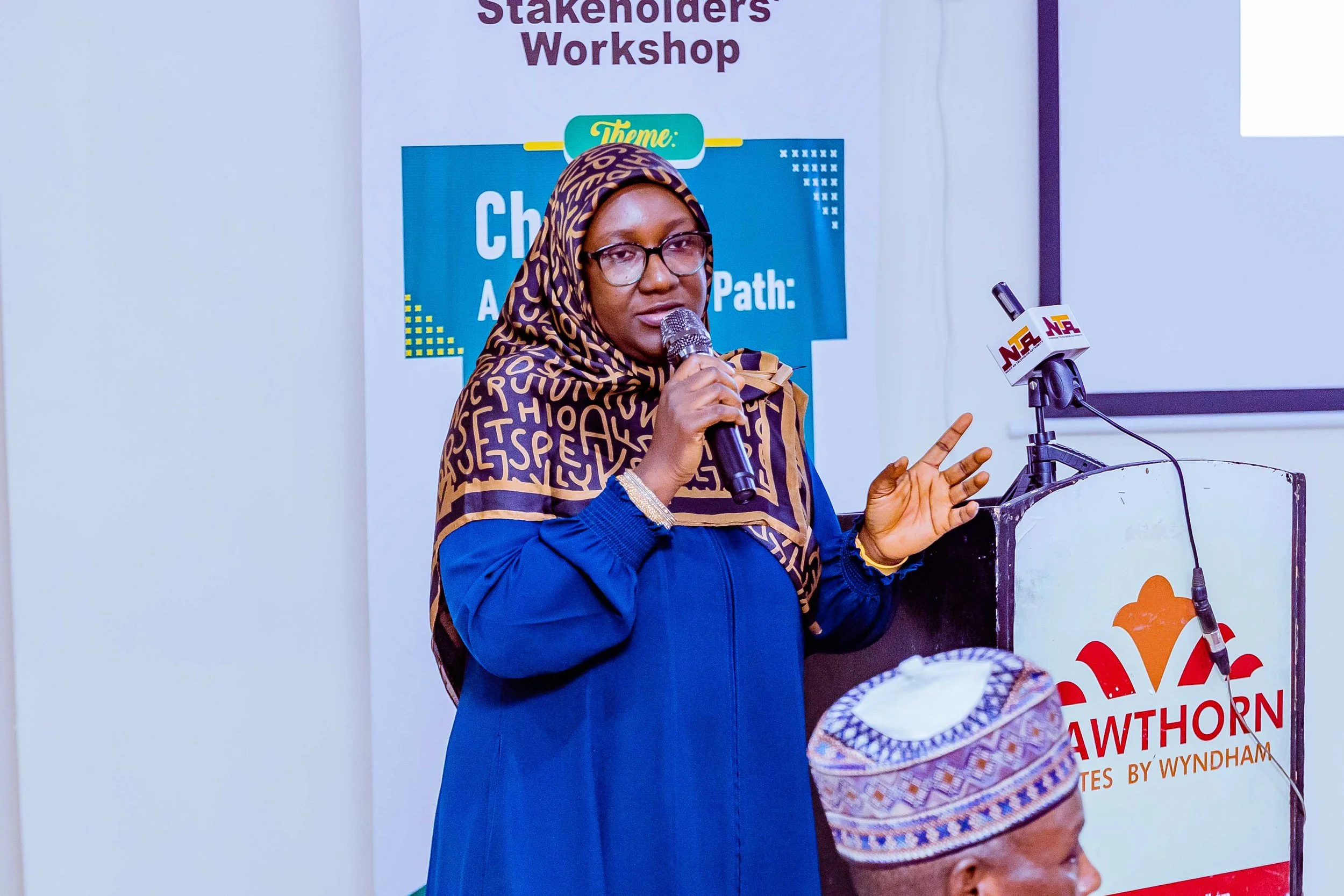
Dr. Sherifat Balogun-Raji focused on the environmental and occupational health risks associated with expanding industrial livestock operations. She noted that rising meat consumption, new institutional frameworks, and growing private investment signal rapid sectoral growth, but also heightened risks if environmental safeguards remain weak.
She highlighted critical challenges such as unsafe disposal of animal carcasses and abattoir waste, contamination of water bodies, poor biosecurity, inadequate use of personal protective equipment, and outdated environmental policies that fail to account for long-term health and climate impacts. These regulatory gaps, she explained, have already contributed to worker fatalities, recurring infections, and reduced export potential.
Dr. Sherifat emphasized that unchecked expansion raises pressing questions about disease preparedness, asking whether the sector is adequately equipped to manage the public health consequences of intensified production. She advocated for comprehensive, One Health–aligned environmental regulations, including stronger education, surveillance systems, access to testing facilities, and robust traceability mechanisms linking farms to abattoirs.
She concluded by stressing that true progress in livestock development must balance production growth with regulatory capacity, ensuring that environmental protection, animal welfare, and human health are safeguarded alongside economic gains.
Breakout Sessions: From Challenges to Solutions
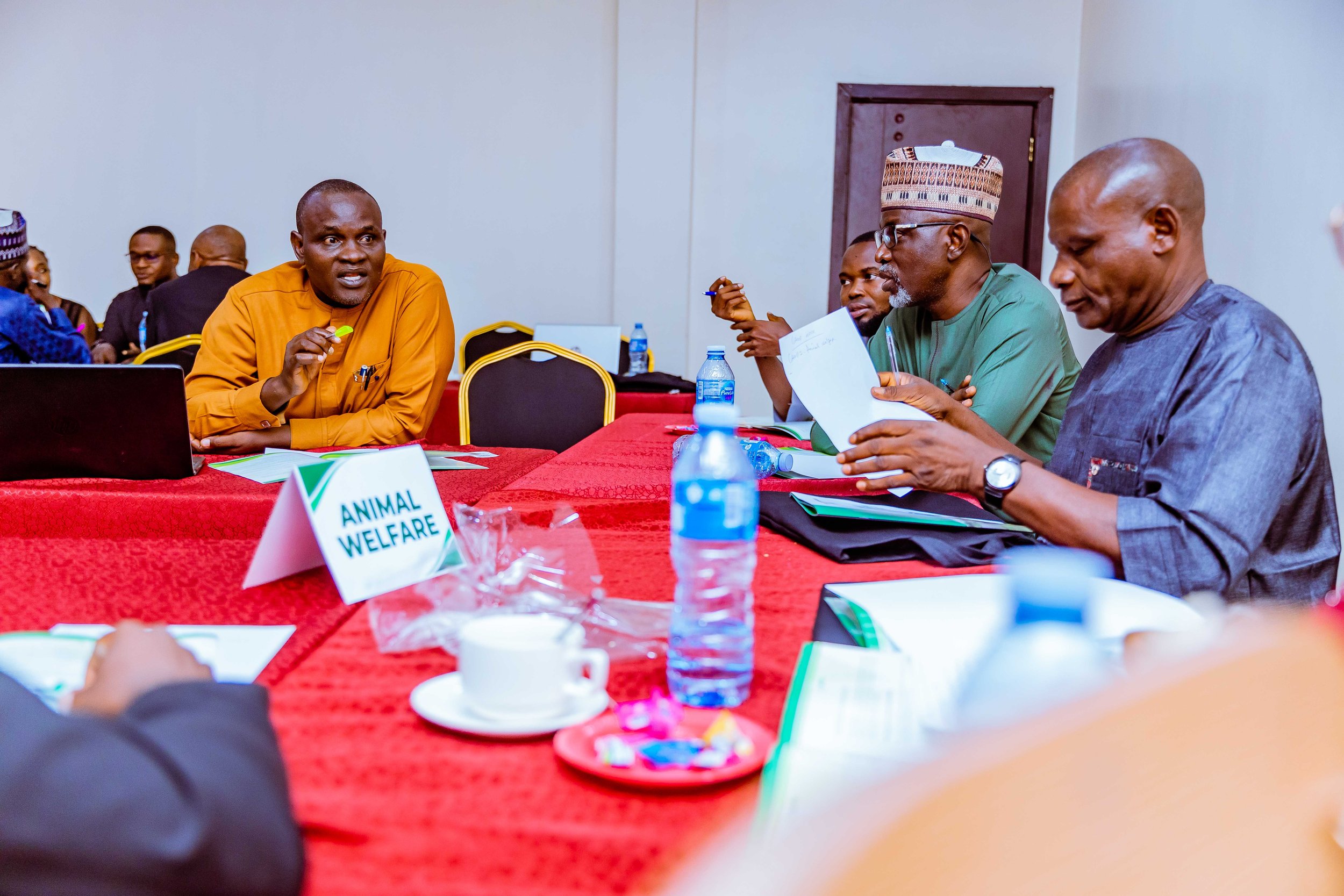
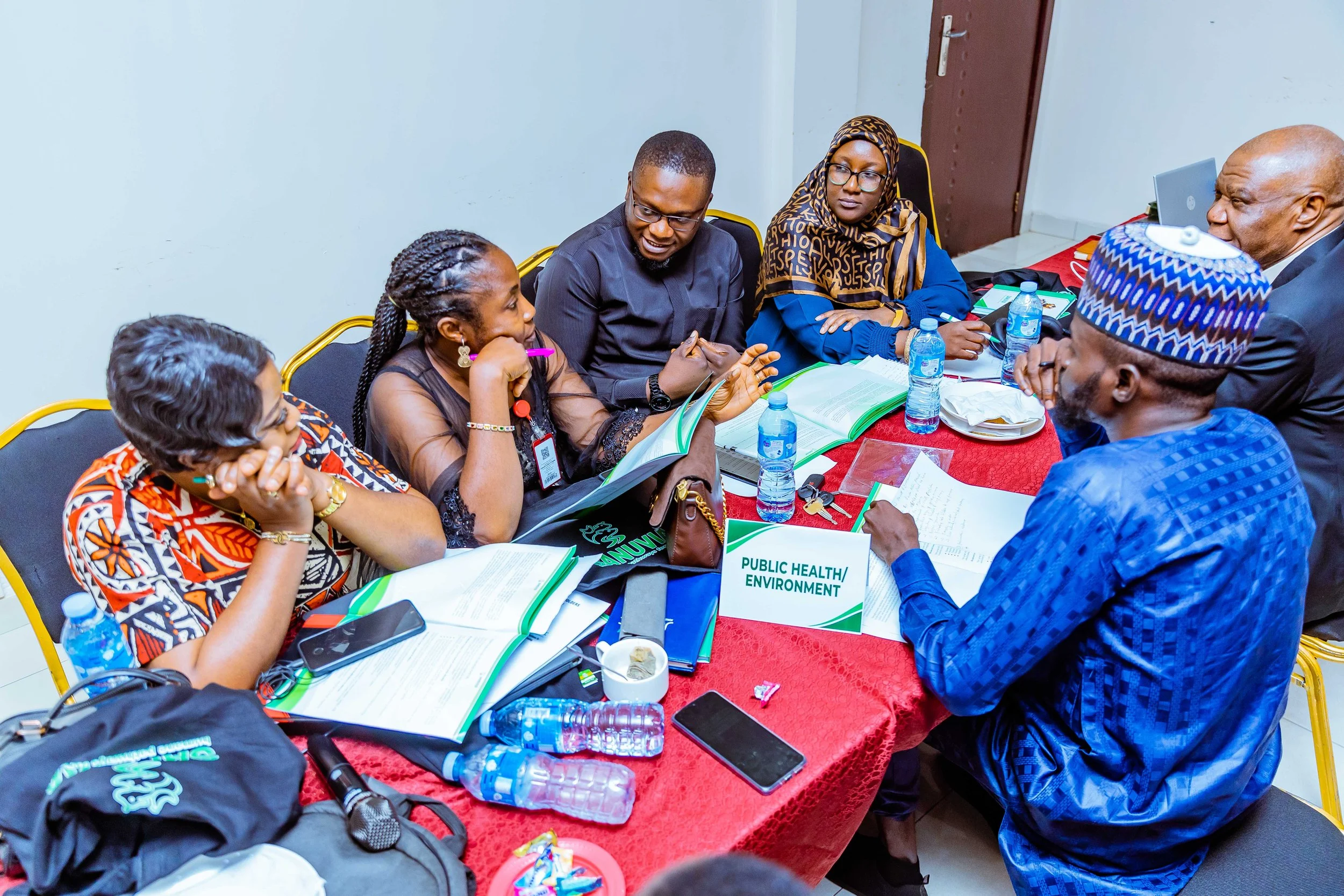
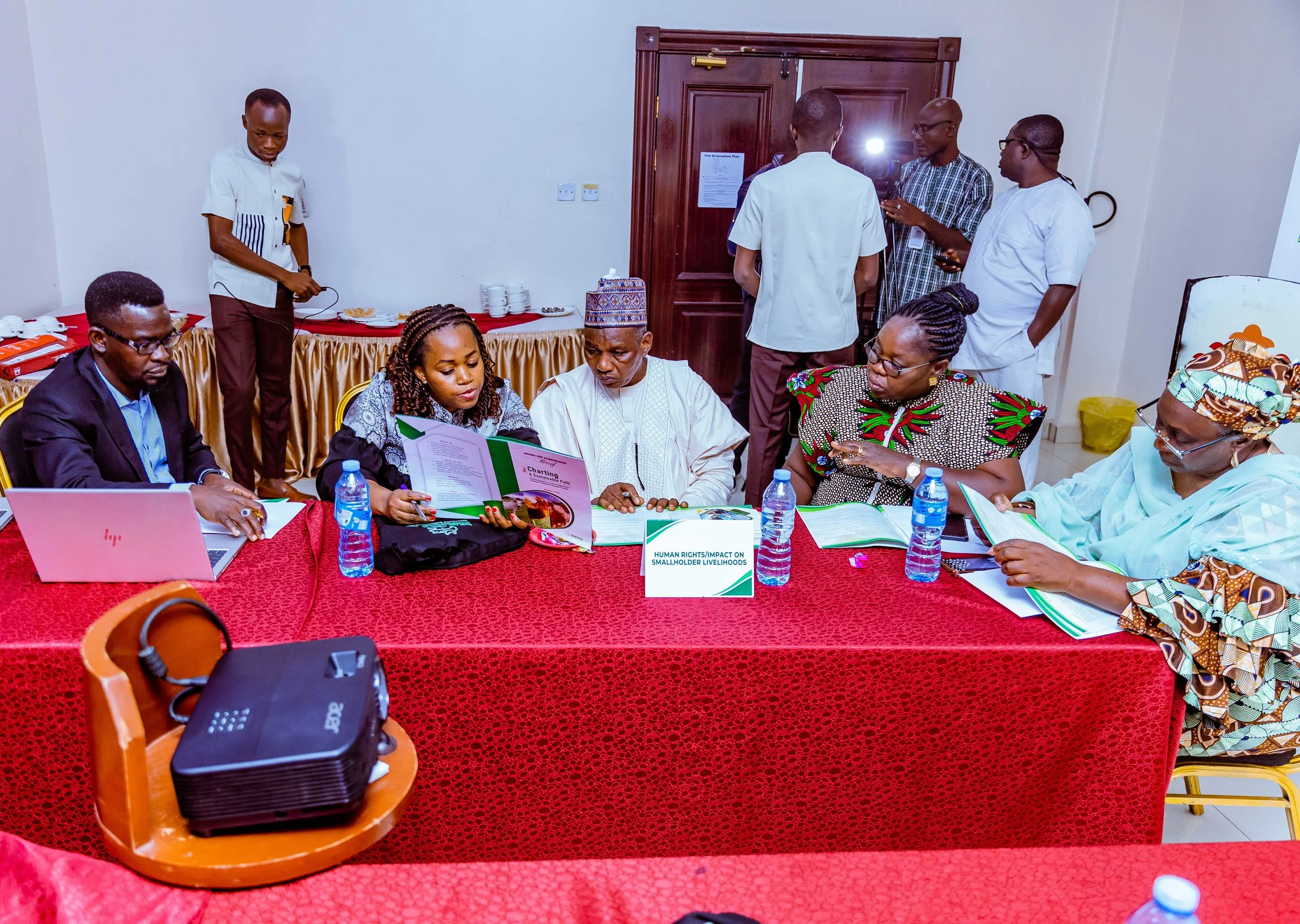
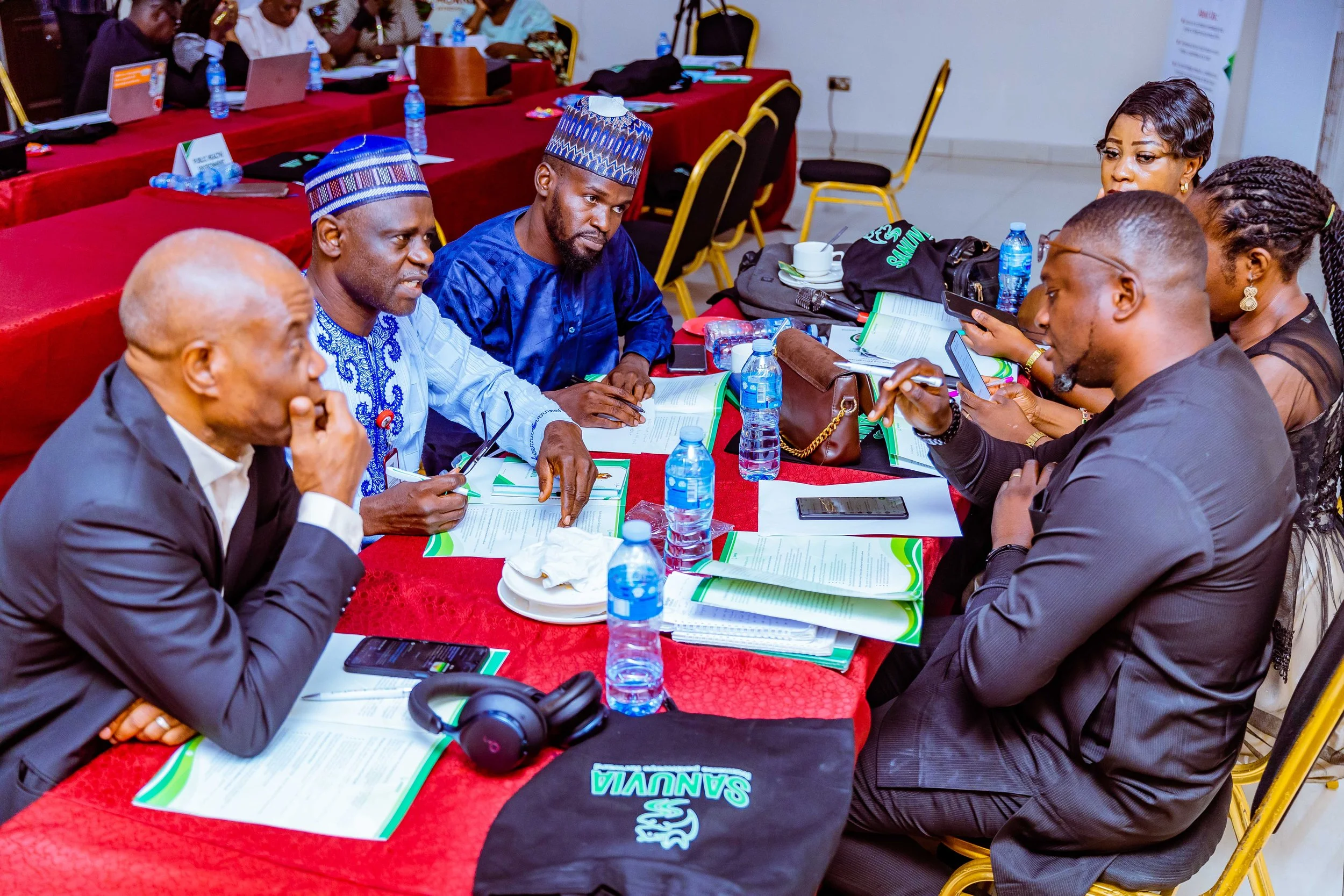
The participants were organized into four thematic groups to facilitate focused, expert-driven discussions:
Animal Welfare Group
Public Health Group
Environmental Impact Group
Human Rights and Livelihoods Group
Key Recommendations
Stakeholders worked across thematic groups to identify the most urgent risks and priority actions for regulating industrial livestock farming in Nigeria.
Animal Welfare
Gaps in humane handling, transport, housing, and slaughter practices
Overcrowding and weak enforcement of welfare standards
Limited access to veterinary care and disease prevention
Recommended Actions
Enforce humane handling, transport, and slaughter standards
Set species-specific stocking density and housing requirements
Strengthen veterinary services, biosecurity, and routine inspections
Public Health
Poor livestock waste management causing pollution
Misuse of antibiotics and weak oversight
Inadequate zoonotic disease surveillance and coordination
Recommended Actions
Enforce waste management and pollution control measures
Implement antimicrobial stewardship with expert supervision
Strengthen disease surveillance, laboratory capacity, and data sharing
Align systems with international animal health standards (WOAH)
Human Rights and Livelihoods
Land displacement and weak community consultation
Inadequate labor protections
Exclusion of smallholder farmers from value chains
Recommended Actions
Ensure transparent land acquisition and community engagement
Enforce labor rights, safe working conditions, and social protection
Support smallholder farmers through cooperatives, fair competition, training, and insurance
Require corporate social responsibility and promote local employment
Media Coverage and National Impact


The workshop attracted strong national media attention, underscoring its relevance to Nigeria’s rapidly evolving livestock sector and amplifying calls for regulatory reform.
Punch Newspaper reported that stakeholders are calling for stronger regulation of industrial livestock farming to protect public health, the environment, animal welfare, and smallholder farmers
Vanguard Newspaper highlighted the urgency of coordinated government action, warning that poorly regulated expansion could undermine livelihoods, public health, and environmental sustainability
NTA International News featured government perspectives, emphasizing ongoing efforts to improve animal welfare standards and strengthen regulatory oversight in the livestock sector
Overall, the media coverage helped raise public awareness, reinforce stakeholder consensus, and strengthen accountability for urgent livestock sector reform.
Key Achievements and Lessons Learned
What We Achieved
Built multi-sector consensus on sustainable livestock regulation
Strengthened collaboration with government institutions
Generated nationwide awareness and accountability
Lessons for the Future
Future engagements will adopt more structured agendas
Deeper participation will be supported through ongoing working groups rather than one-off sessions
What Comes Next
Sanuvia will establish a Policy Working Group and a Stakeholder Group to draft, review, and validate comprehensive regulatory guidelines for industrial livestock farming in Nigeria.
Our commitment remains steadfast: to support a livestock sector that balances economic growth with public health, animal welfare, environmental sustainability, and social justice.